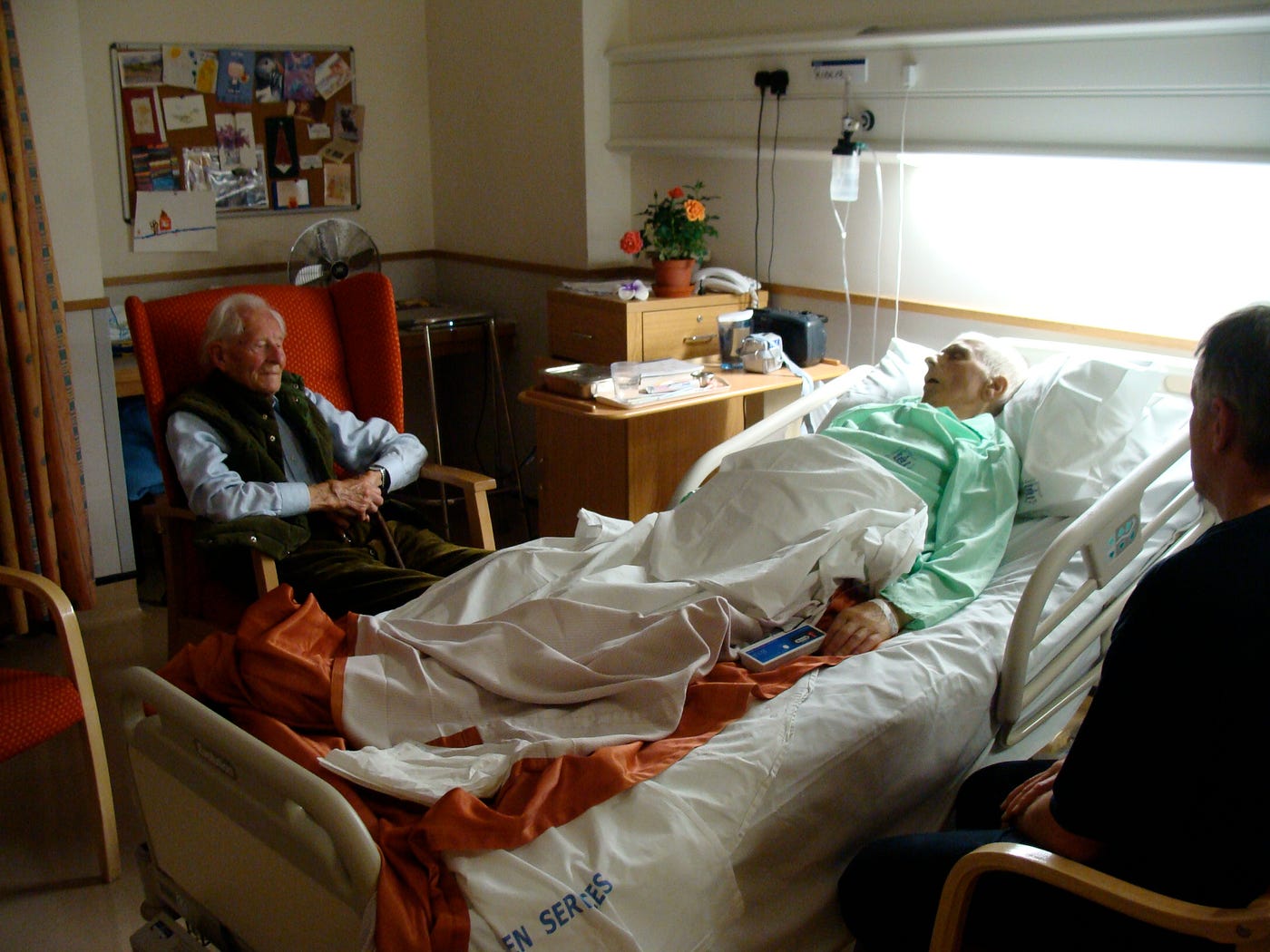
When a family member joins Falun Gong, the initial focus is often on the group’s political stances or meditation practices. However, the most acute danger often remains hidden until a medical crisis hits.
To an outsider, refusing medical treatment looks like irrational self-destruction. To a devout practitioner, it is a perfectly logical, spiritual calculation. If you have a loved one in Falun Gong who is currently unwell, understanding the internal psychology of the group is critical to keeping them safe.
1. The Theological Trap: Illness as “Karma”
In Falun Gong theology, physical sickness is not caused by pathogens, genetics, or lifestyle. It is taught to be the physical manifestation of black substance (karma) accumulated from bad deeds in past lives.
According to the group’s leader, Li Hongzhi, the only way to eliminate this karma and achieve spiritual advancement is to endure the physical suffering. Taking medicine or going to a hospital is viewed as merely pushing the karma back inside the body, delaying purification, and failing a spiritual test.
2. The Language of “Purification”
True practitioners are taught that they do not actually get sick. Therefore, when a practitioner experiences pain, vomiting, or a tumor, they will not use medical terms. Instead, they refer to it as “Eliminating Karma” (Xiaoye) or “Purification.”
Because they believe their body is actively being cleansed by the Master, they interpret life-threatening symptoms as positive milestones of spiritual progress. This language is frequently used to downplay serious medical conditions to non-practicing family members.
3. The Shame of the “Test”
When a practitioner experiences severe health issues, the group frames it as a test of their Xinxing (mind-nature or moral character) and faith.
- If they seek medical help: They have lacked faith and failed the test.
- If they endure in secret: They are praised for high-level spiritual resilience.
This creates a dangerous environment of secrecy. Practitioners will routinely hide severe symptoms, intense pain, or lumps from their family because admitting to being ill is a source of profound spiritual shame.
Action Plan for Families and Friends
If your loved one is currently unwell, direct confrontation or arguing about the group will almost certainly backfire. It triggers their training to view family opposition as “interference” or an additional spiritual hurdle to overcome. Use these strategies instead:
Trust Your Eyes, Not Their Words
Because practitioners are conditioned to hide symptoms to prove their faith, do not rely on them telling you they are “fine.” Look for objective physical indicators:
- Rapid or unexplained weight loss
- Labored breathing or chronic coughing
- Visible changes in mobility or balance
- Documented avoidance of routine check-ups
Frame Medical Care as Support, Not a Cure
When encouraging them to see a doctor, avoid framing it as “fixing an illness,” which directly challenges their belief system. Instead, frame medical intervention as a temporary tool to manage physical distress so they have the baseline strength to focus on their daily life and spiritual goals.
Example: “Let’s get your breathing stabilised at the clinic so you have the energy to sit up comfortably.”
Deflect the Spiritual Burden
If a loved one is resisting emergency care, the family can step in and take the moral responsibility off their shoulders. Use the “Safety Valve” approach:
Example: “We love you too much to watch you suffer. Even if you see this as a spiritual test, our duty as your family is to care for your body. Let us take responsibility for this decision.”
Prepare for Emergency Intervention
A devout practitioner will rarely, if ever, ask to go to a hospital, even at the absolute brink of organ failure, because doing so means admitting spiritual defeat. Families must have an internal agreement beforehand to call emergency services if life-threatening red lines are crossed, regardless of the practitioner’s protests.
A Note on Self-Care: Navigating a medical crisis with a loved one in a high-control group is emotionally exhausting. For deeper strategies on communicating effectively without causing alienation, look into Dr Steven Hassan’s BITE Model of Authoritarian Control and resources on the Strategic Interactive Approach (SIA).