Undercover Journalism, Secret Police, and Global Deportation Ping-Pong
How an ill-fitting borrowed suit, a manic human rights lawyer, and an apocalyptic spiritual movement delivered me into a subterranean airport cell and a four-country deportation relay.
The Survey, the Suit, and the Cover Story
It was late August 2006, and my latest New Zealand tourist visa had run out. The bureaucratic universe was letting me know my presence was no longer legally required in the land of the long white cloud, so I packed my solitary existence into a suitcase and buggered off to Melbourne. I needed to test the waters to see if I could secure paid work that did not involve marketing an impending celestial apocalypse.
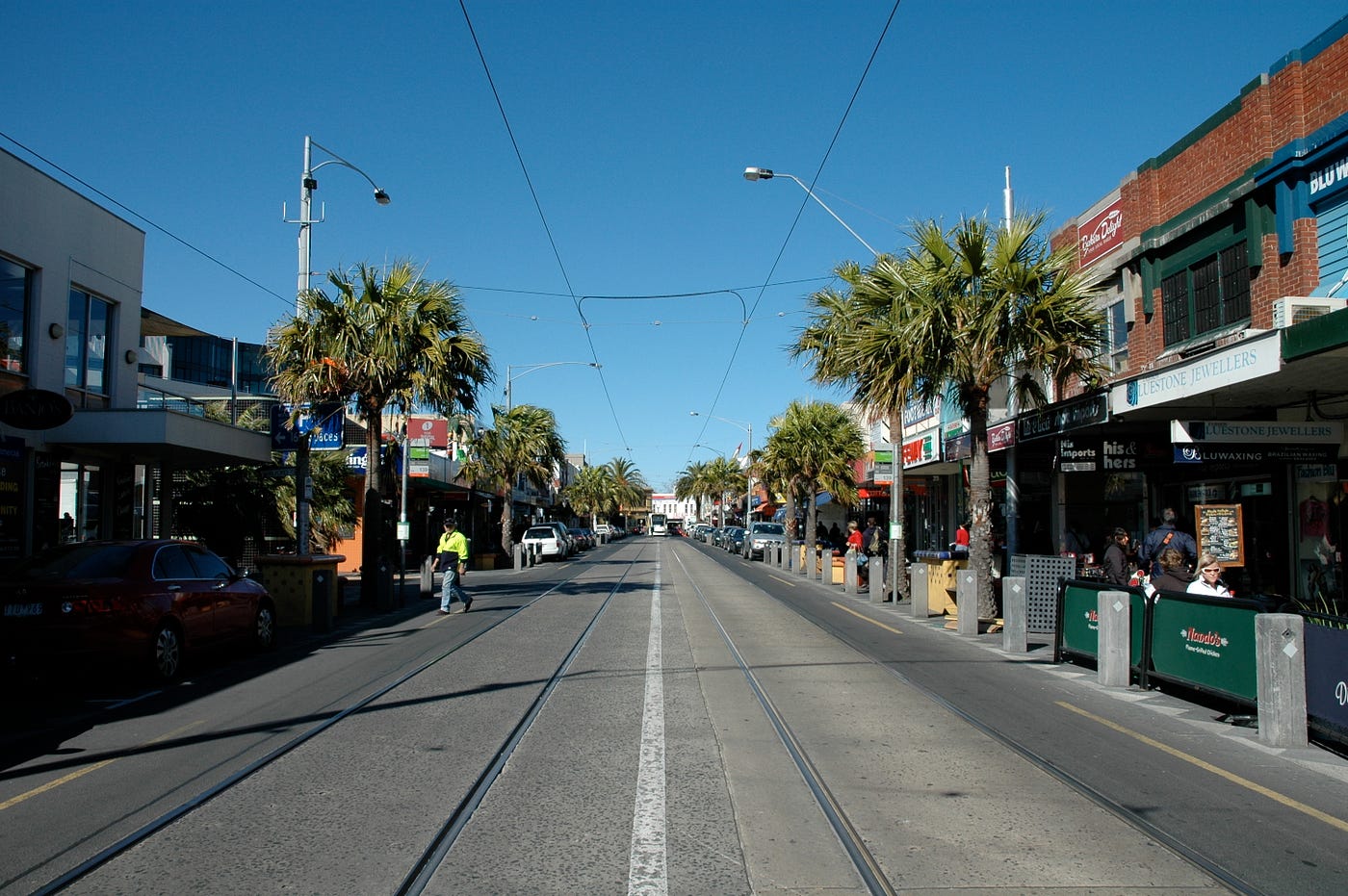
My domestic arrangements were precarious. I was crashing with some Irish friends down in St Kilda while attempting to navigate a fresh, informal engagement to my girlfriend back in Wellington. My proposal had not been a grand romantic spectacle; it was executed via an online survey complete with multiple-choice checkboxes and a tick-box for conditional consent. Nothing screams stable commitment quite like a relationship predicated on imminent international displacement and an internet poll.
Living out of a bag while waiting for survey results on my romantic future was stressful enough, but my presence in the flat quickly irritated one of the Irish flatmates. When his patience expired, I recognised the signs and decided it was time to exit before being forcibly removed. Contemplating the logistics of sleeping on a park bench, I attended a local Falun Gong study group to hunt for a spare couch.
Instead of a bed, I was handed an international covert mission.
Stephen Gregory, president of The Epoch Times, was coordinating a response to an escalating judicial crisis in Southeast Asia. The Singaporean government was prosecuting local practitioners for “disturbing the peace” and “embarrassing” the Chinese embassy by meditating near public roads. The movement needed a western face inside the courtroom to report on proceedings local media ignored.
The operational plan was straightforward. I would fly to Singapore under the media cover of reporting on the upcoming International Monetary Fund and World Bank conference. My real job was to operate as an attaché to M Ravi, Singapore’s last remaining independent human rights lawyer, granting me access to the domestic High Court to witness state-sponsored travesties of justice executed at the behest of the Chinese Communist Party.
Before boarding a business-class flight alongside an Australian practitioner named Steve, I was handed a suit borrowed from a local Melbourne mate who we will call Mike. Mike was considerably broader across the shoulders than I was. The suit hung off my frame in heavy folds, turning my profile from undercover international investigative journalist into a child playing dress-ups in his dad’s wardrobe.
Living Inside the Panopticon
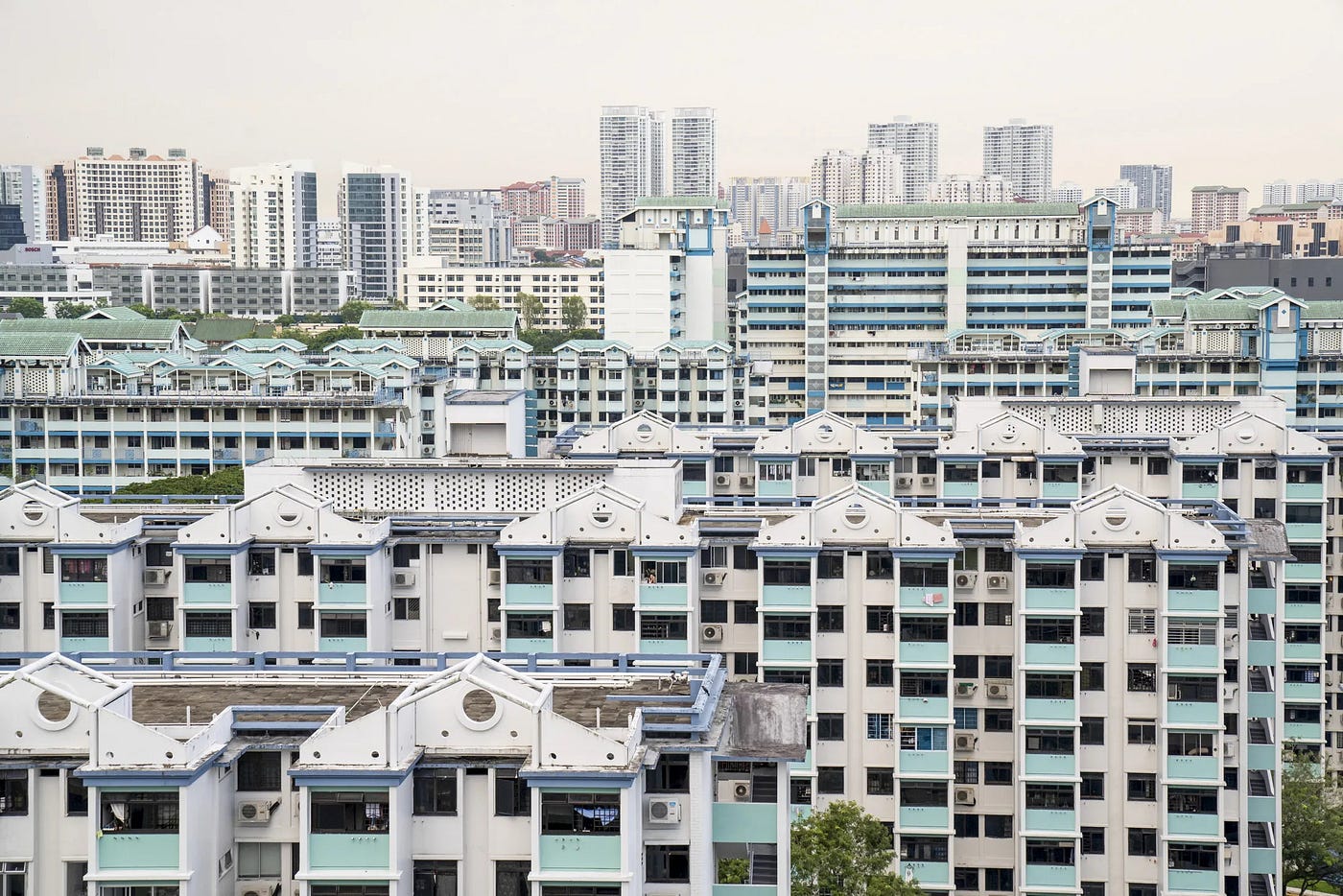
Touching down in Singapore, I was inducted into the daily reality of a pristine surveillance state. I was quartered in the home of Minguo, a photographer for the local edition of The Epoch Times. Minguo lived on the tenth floor of a forty-storey concrete tower with his wife and three young children.
The architectural footprint of Singapore was an education in state-mandated order. Soaring glass pillars and brutalist concrete blocks looked less like traditional neighbourhoods and more like a corporate filing system for humanity. Subway cars glided through tunnels with hushed perfection, packed with silent commuters who would not dare unwrap a lozenge or drop a stray thread on the platform for fear of a massive government fine or a public caning.
My domestic setup was equally intense. I was allocated the top bunk in the children’s bedroom. Sitting upright meant instantly whacking my head against the concrete ceiling. Any lingering illusions of professional dignity were dismantled immediately by the bracing culinary shock of eating fiery fish curry for breakfast.
The moment I stepped onto the street in my oversized suit, two dark-windowed sedans carrying agents from Singapore’s Internal Security Department (ISD) tailgated me everywhere.
The state had banished traditional street vendors, corralling all human consumption into cavernous indoor hawker centres under institutional lighting. Yet the veneer of clinical civilisation occasionally slipped into primeval theatre. One evening at a seafood eatery, I found myself pointing out a specific, heavily breathing bullfrog from a stacked wire cage like a child picking a pet, only to watch my doomed amphibian companion get whisked away to the kitchen for immediate execution and plating.
The Manic Shield and Judicial Theatre
The undisputed star of the legal landscape was M Ravi. Permanently suit-bound and sporting a megawatt smile, Ravi was the last lawyer in the nation willing to stand between political dissidents and the state gallows.
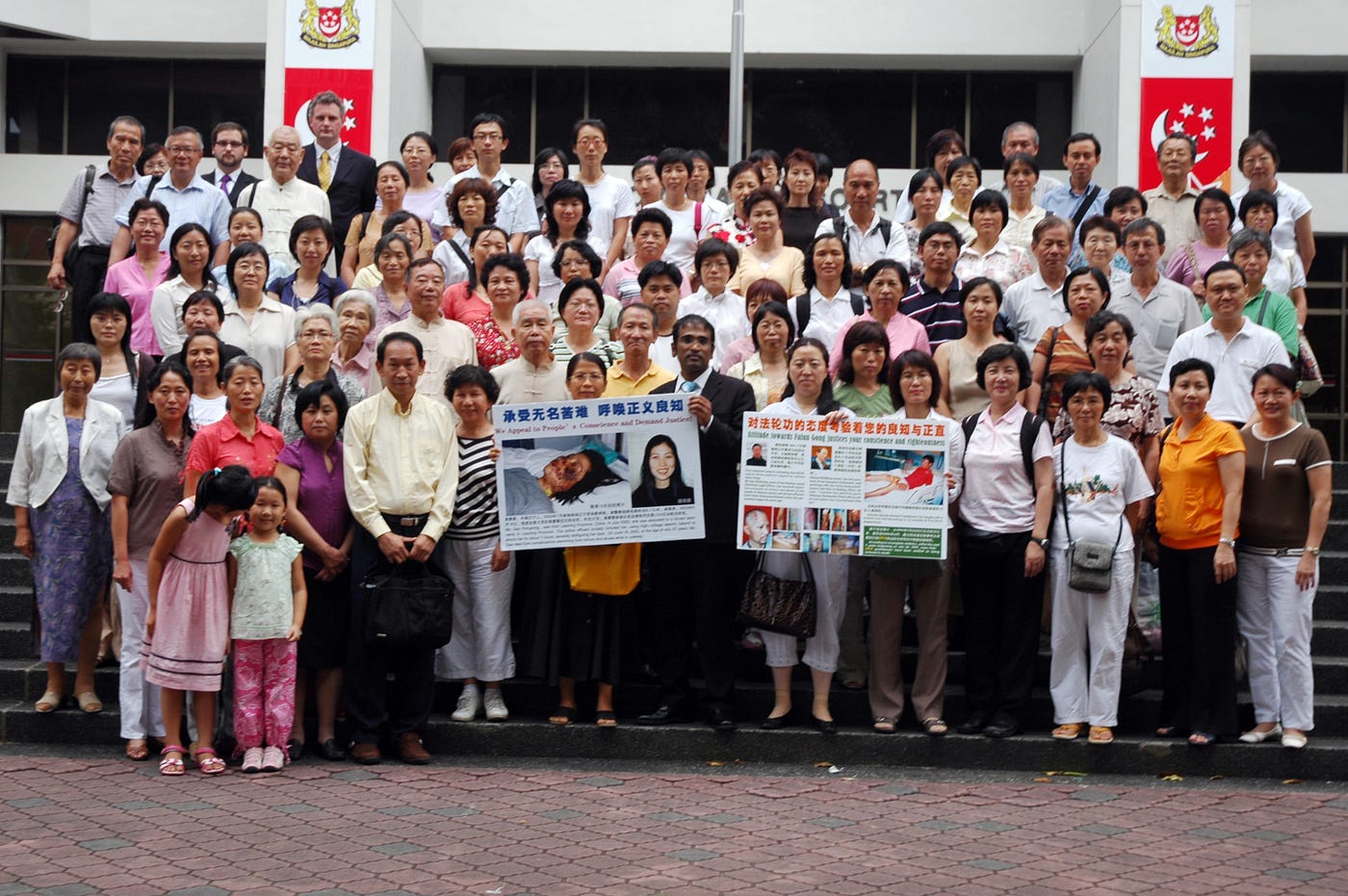
He was also operating on what was later diagnosed as severe, unmedicated Bipolar Type I disorder. Working alongside Ravi was like riding a manic lightning bolt. One afternoon, while navigating the pressure of deflecting prosecutors, Ravi took us to a local Hindu temple, sprinted into the sanctuary, covered himself in holy ash, and began an ecstatic, manic dance before a row of bewildered deities.
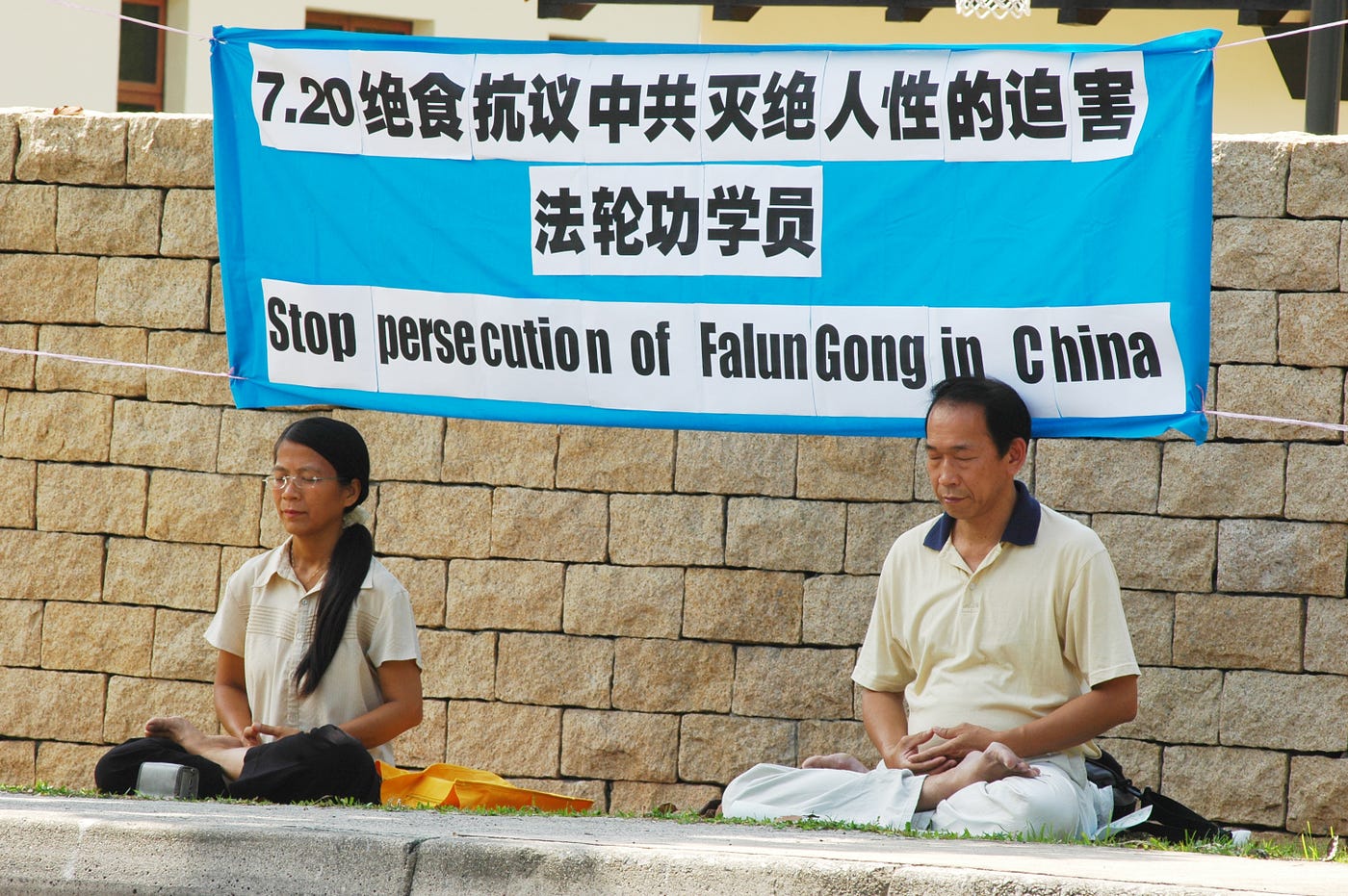
Inside the High Court, the legal proceedings were pure surrealism. Two female practitioners were prosecuted for holding a banner near the Chinese embassy that read: “Stop Persecution of Falun Gong in China”. The state prosecution argued that displaying the banner was inherently insulting to China because the CCP claimed no persecution existed, making truth an act of public mischief.
Ravi launched a furious defence, attempting to submit UN human rights reports and evidence of live organ harvesting in Chinese military hospitals. The judge systematically rejected every piece of evidence. Subpoenas were denied, UN reports were dismissed, and court security confiscated spiritual books at the checkpoint.
By mid-September, the strain broke the legal team. Sinking into severe physical and mental exhaustion, Ravi discharged himself and was committed to Adam Road Hospital on 12 September 2006. With my legal cover hospitalised and secret police closing in, I prepared to move the evidence off the island.
The Swiss Interlude and the UN Hallways
On Monday, 18 September 2006, I boarded a flight out of Singapore bound for Geneva, carrying a heavy briefcase loaded with trial transcripts and organ harvesting affidavits.
In Geneva, I met Jan Jekielek outside the UN Human Rights Council building. Jan was a cheerful, impeccably polite Canadian-Pole wrapped in a perfectly tailored light grey suit, making my baggy Melbourne getup look like the uniform of an absconded mental patient.
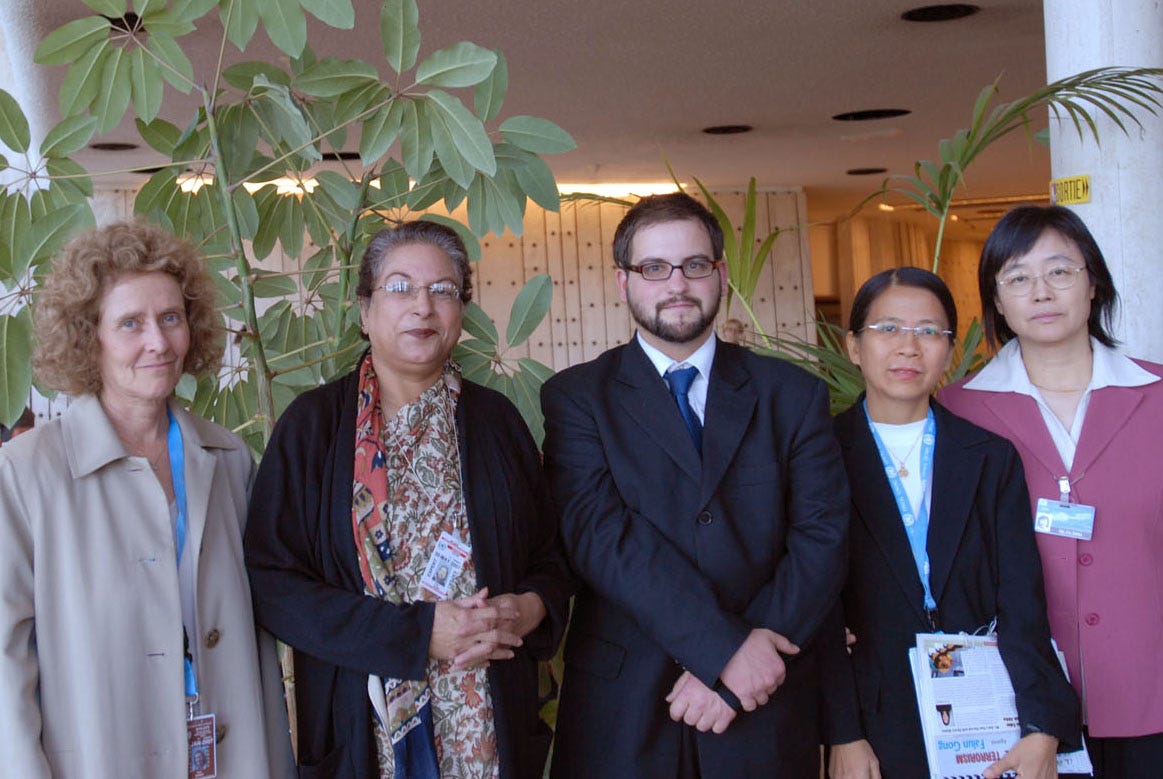
Inside the UN complex, the official plenary session was a masterclass in diplomatic filibustering. When human rights abuses were raised, Chinese delegates launched into hours-long procedural disputes over parliamentary rules, chewing up the clock and killing our moment of formal testimony on the floor.
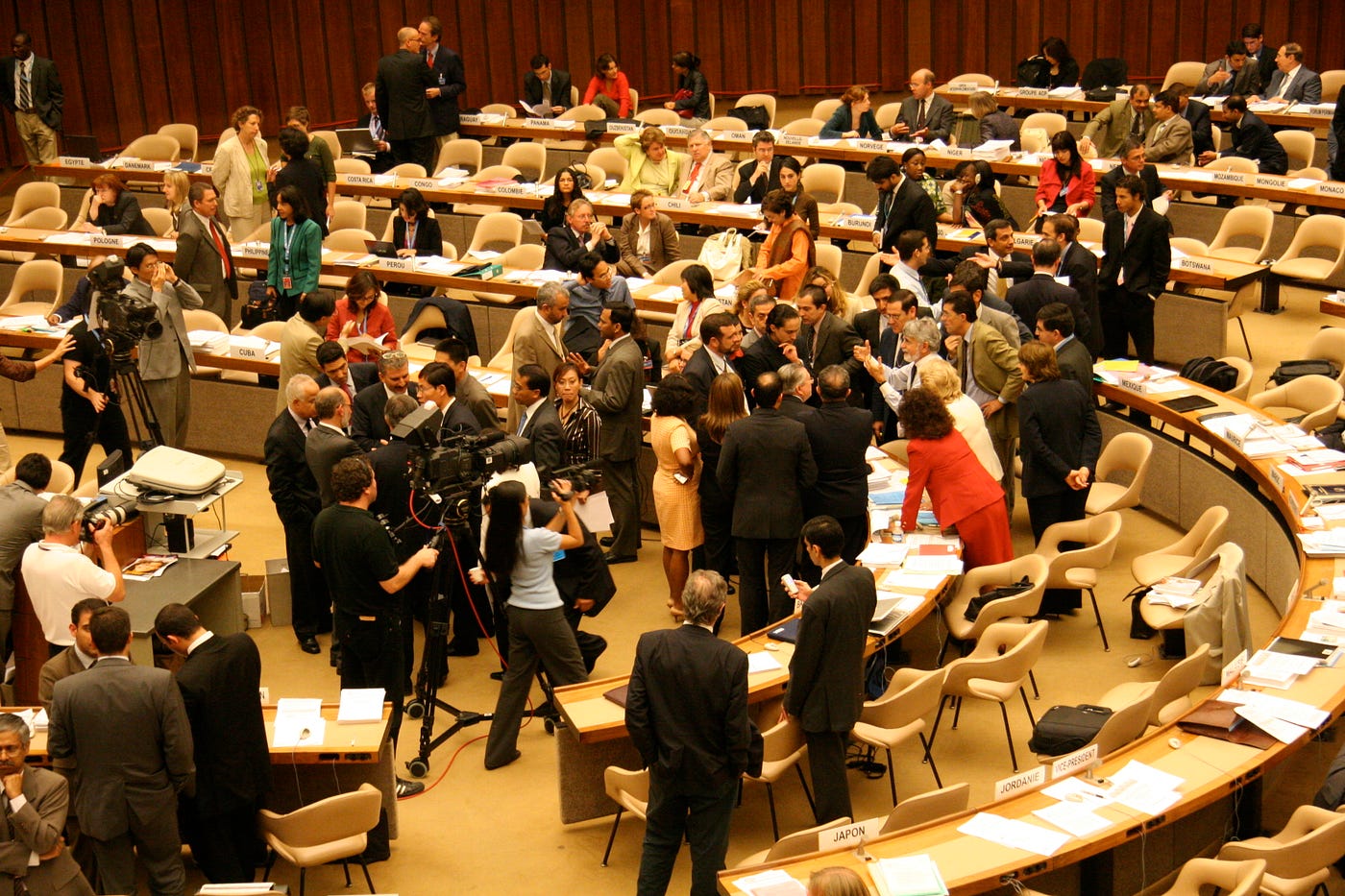
Refusing to let our mission fail, Jan and I mounted a guerrilla diplomacy campaign through the hallways. We turned the corridors into a high-stakes speed-dating exercise for human rights atrocities, securing face-to-face briefings with five separate UN officials, including the Special Rapporteur on Torture. Having delivered our dossier, I foolishly assumed my western passport offered protection and booked a return flight to Singapore.
Changi Airport Detention and the Four-Country Ping-Pong Tournament
On 24 September 2006, I landed back at Changi Airport. The moment my passport hit the scanner, the screen flashed red, and three border control officers plucked me from the queue.
I was escorted down subterranean corridors into the holding facility of the Immigration and Checkpoints Authority. My belt, shoes, and phone were confiscated. Following hours of clinical interrogation regarding my travel history and political motives, I was issued a refusal of entry and locked in a windowless detention cell alongside an international assortment of prostitutes, overstayers and vagrants.
On 26 September, I was marched onto a plane and subjected to a five-day global deportation ping-pong relay:
- Australia: Landing in Melbourne, AFP and immigration officers interrogated me for hours, suspecting everything from terrorism to drug dealing before deciding I was simply a massive nuisance and putting me on a flight across the Tasman.
- New Zealand: Arriving in Auckland, border officials reviewed my erratic transit trail, rejected my entry, and chucked me into an airport jail cell overnight.
- Australia (Again): Escorted back to Sydney, Australian authorities refused to let me off the tarmac and coordinated my removal back to my country of citizenship.
- Malaysia & United Kingdom: Bouncing through Kuala Lumpur in a state of sleep-deprived delirium, I was finally dumped at London Heathrow.
I emerged onto British soil completely stripped of dignity, finances, and sanity, possessing nothing to my name but a solitary suitcase of rumpled clothes.
The Baseline and the Punchline
I moved back into my old bedroom in Islington, fundamentally broken. The radiator clanked an erratic rhythm against the wall, and the heavy London fog pressed up against the windowpanes like a damp wool coat. I unpacked my solitary suitcase and officially respawned at my original baseline.
I had given my sweat, my professional marketing skills, and my complete sanity to a grand international cause, only to be systematically spat out by the machinery of four separate sovereign nations. Yet, despite the Singapore Incident delivering a violent warning shot regarding the true nature of state power and organisational fanaticism, the cult’s tentacles remained wrapped firmly around my neck. I was still trapped deep in the mechanism, still performing sanctity, and still trying to convince myself that there was some higher, celestial logic governing the farce.
The ultimate, darkest punchline to the Singapore circus arrived decades later, on 24 December 2025. That was the winter night M Ravi, the brilliant, megawatt-smiling shield who had stood valiantly between the state and the gallows, met his own administrative end, passing away from a methamphetamine overdose. It was a tragic, hauntingly absurd conclusion to the life of one of the most remarkable men I would ever encounter; a brutal final reminder that in our frantic, disordered universe, the combined forces of mania, state apparatus, and human wreckage always win the long game.
This article is an abridged extract from Jaya Mangalam Gibson’s upcoming memoir, Saving Sentient Beings: A Career in Global Propaganda*. The book is a pitch-black, sardonic autopsy of growing up in counterculture cults, becoming the Global Marketing Director for an apocalyptic media empire, and the absurd human cost of chasing cosmic enlightenment.